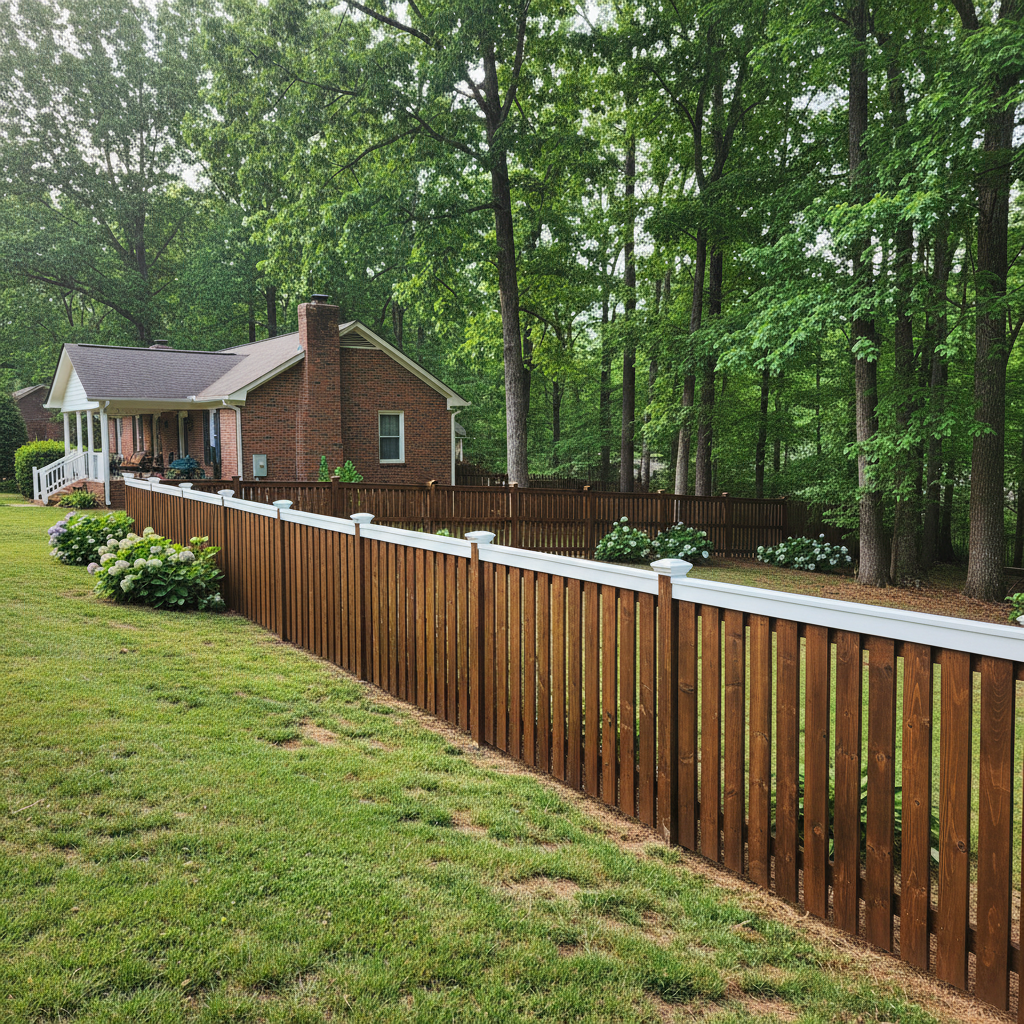
When's the best time to stain or paint your fence here in Maryville? It's a question I get a lot, and for good reason. You want your fence looking good and lasting long, and getting the timing right makes a huge difference. You can't just slap a coat on whenever you feel like it and expect it to hold up to our East Tennessee weather.
Understanding Maryville's Climate and Your Fence
Our climate around Maryville, especially with those hot, humid summers and sometimes surprisingly cold, wet winters, really puts a fence through its paces. Wood fences, particularly, need that protection. Even composite or vinyl can benefit from cleaning and occasional touch-ups to keep them looking their best. But for staining and painting, we're mostly talking wood.
You've got to think about temperature, humidity, and rain. These aren't just minor details; they're deal-breakers for a good finish. If it's too hot, too cold, too wet, or too humid, your stain or paint won't cure properly. It'll peel, blister, or just won't adhere, and then you've wasted your money and time.
The Ideal Window: Spring and Fall are Your Friends
For most staining and painting projects, you're looking for moderate temperatures and low humidity. That usually means spring and fall are your best bets around here.
- Spring (Late March to Early June): Once the last threat of frost is gone, and before the real summer heat and humidity kick in, you've got a great window. Daytime temperatures are typically in that sweet spot – 50 to 85 degrees Fahrenheit. Nights aren't usually dipping too low, which is important for curing. Plus, you're often getting some good sunny days without the oppressive humidity that makes paint dry too fast or not at all. You'll want to watch out for those April showers, though. Make sure you've got a few dry days before you start and a few dry days after for the product to set.
- Fall (September to Early November): This is arguably the absolute best time in Maryville. The summer humidity has usually broken, and you get those crisp, clear days. Temperatures are usually perfect, again, 50-85 degrees. The biggest thing to watch out for in the fall is falling leaves and dew. You don't want to stain over wet wood or have leaves sticking to your fresh coat. Plan your work for mid-day when the dew has dried off the fence.
When to Avoid Staining or Painting
Just as important as knowing when to do it is knowing when NOT to do it.
- Summer (Late June to August): Our Maryville summers are brutal for exterior painting. High heat and humidity can cause paint to dry too quickly on the surface, trapping solvents underneath. This leads to blistering and poor adhesion. Plus, working outside in that kind of heat is just plain miserable.
- Winter (December to March): Freezing temperatures are a no-go. Most stains and paints need temperatures above 40-50 degrees Fahrenheit to cure properly. If it freezes before it's cured, it'll fail. Even if it's a mild day, the ground can still be cold, and the wood itself might be too cold to accept the finish.
- Rainy or Damp Conditions: This one's a no-brainer, but people still try it. Wood needs to be dry – I mean bone dry – before you apply anything. If you've got a new fence, give it a few weeks or even months to weather and dry out completely. For an existing fence, wait at least 2-3 sunny days after a rain before you even think about starting.
Year-Round Protection: Beyond Just Staining
Staining or painting is a big part of it, but protecting your fence is an ongoing job. Here's what I tell folks:
- Keep it Clean: Dirt, mildew, and algae aren't just ugly; they hold moisture against the wood, leading to rot. A good annual cleaning with a pressure washer (on a low setting, don't blast it!) or a scrub brush with a mild cleaner can do wonders. Especially for fences in shadier spots, like those backing up to the woods in areas like Montvale, you'll see more mildew.
- Trim Vegetation: Keep bushes, trees, and vines from growing directly on or against your fence. They trap moisture and can damage the finish and the wood itself.
- Inspect Annually: Just walk around your fence once a year, maybe in the spring or fall. Look for loose boards, popped nails, or areas where the finish is starting to fail. Catching small problems early saves you a lot of headache and money down the road.
- Reapply as Needed: Depending on the product you use and how much sun and weather your fence gets, you'll need to reapply stain or paint every few years. Don't wait until it's completely gone. A fresh coat before it's too far gone is always easier than a full strip and re-stain.
Taking care of your fence isn't just about making it look nice; it's about making it last. A well-maintained fence adds curb appeal and value to your home. If you've got questions about what kind of stain to use or when to tackle your project, don't hesitate to reach out to us at Allied Fencing. We've seen it all and we're happy to help you keep your fence in top shape.