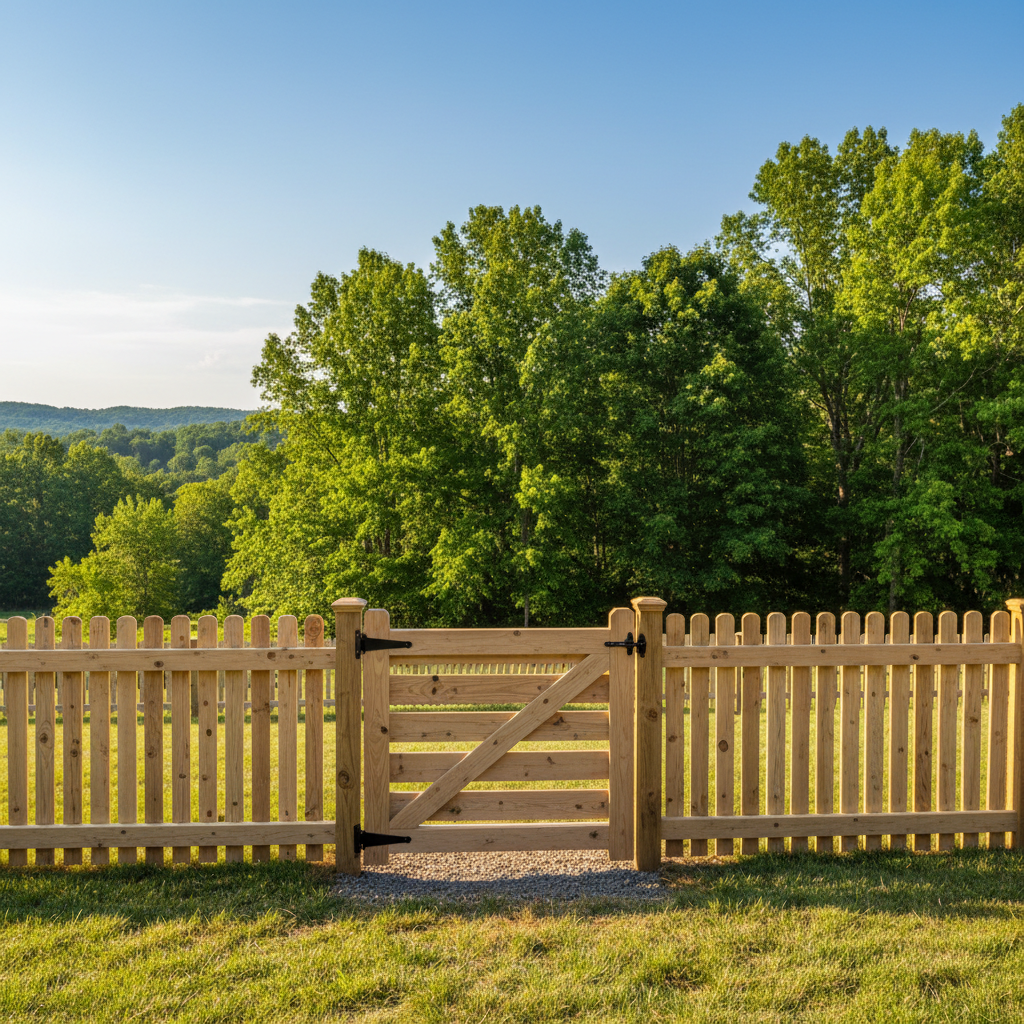
So, you've got a gate. Maybe it's a beautiful custom wood gate, a sturdy aluminum one, or a practical chain link. Whatever kind it is, you want it to last, right? Down here in Maryville, we know our weather can be tough on things – those humid summers, the freezing winters, and everything in between. That's why a little regular maintenance on your gate isn't just a good idea; it's essential if you want to avoid bigger headaches and expenses down the road.
Extending Your Gate's Lifespan
The biggest thing you can do to make your gate last is pretty simple: keep it clean and keep it moving. For metal gates, especially wrought iron or steel, rust is the enemy. Our humidity here in East Tennessee, especially after a good summer thunderstorm, can really get into those nooks and crannies. You'll want to regularly wipe down any metal parts, especially hinges and latches, and keep an eye out for any chipped paint or powder coating. If you see a spot, hit it with a wire brush and some rust-inhibiting primer, then paint it to match. Don't let that rust spread.
For wood gates, moisture is the main culprit. Rain, dew, even just the damp air, can lead to rot and warping. If your gate is stained or painted, make sure you reapply that finish every few years, or as needed. A good quality exterior stain or paint acts like a shield. Also, keep vegetation away from the gate. Vines growing on it or bushes rubbing against it hold moisture and can damage the finish, creating perfect spots for rot to start. I've seen plenty of gates in neighborhoods like Montvale that just get eaten up by ivy if folks aren't careful.
And for all gates, keep the area around them clear. Debris, dirt, and even leaves can get into hinges, rollers, or tracks, causing friction and wear. A quick sweep or hose-down now and then goes a long way.
What Regular Maintenance Looks Like
You don't need to spend hours every weekend, but a little routine check-up can save you a lot of grief. I tell folks to do a quick visual inspection monthly and a more thorough one seasonally.
- Monthly Check: Just walk around your gate. Does it open and close smoothly? Are there any obvious loose screws or bolts? See any new rust spots or cracks in the wood? Catching these early makes repairs much easier.
- Seasonal Check (Spring and Fall are best): This is when you get a little more hands-on.
- Lubricate moving parts: Hinges, latches, rollers, and any sliding mechanisms need lubrication. Use a silicone spray or a dry lubricant for most gates. For heavy-duty gate openers, check the manufacturer's recommendations. Don't use WD-40; it attracts dirt.
- Clean: Wash down the gate with mild soap and water. This removes dirt, pollen, and grime that can hide problems or accelerate wear.
- Inspect posts: Make sure your gate posts are still plumb (straight up and down) and firmly set in the ground. If they're wobbly, that puts extra stress on the gate itself.
- Check hardware: Tighten any loose screws, bolts, or fasteners. Make sure latches engage properly and securely.
- Look at the ground: Is there anything obstructing the gate's path? Is the ground eroding around your posts?
These simple steps can prevent a small issue from becoming a major repair.
Warning Signs You Shouldn't Ignore
Your gate will tell you when something's wrong, if you're listening. Don't wait until it breaks completely. Here are some red flags:
- Squeaking or grinding noises: This usually means hinges or rollers are dry, worn, or have debris in them. Lubrication might fix it, but it could also signal worn-out parts.
- Difficulty opening or closing: If you have to push or pull harder than usual, something's off. It could be a misaligned post, a sagging gate, or a problem with the opener mechanism.
- Sagging or dragging: A gate that sags and drags on the ground is putting immense stress on its hinges and posts. This needs immediate attention to avoid permanent damage.
- Visible rust or rot: We talked about this, but if you see significant rust bubbling up or wood that's soft to the touch, you've got a problem that needs addressing before it compromises the gate's structural integrity.
- Loose posts: If you can wiggle a gate post by hand, it's not doing its job of supporting the gate. This is a big deal and can lead to the entire gate failing.
- Cracks in the gate material: Whether it's a weld on a metal gate or a split in a wooden one, cracks can weaken the gate and lead to bigger breaks.
When to Call a Professional
Look, I'm all for saving a buck and doing things yourself. But some jobs are just better left to the pros. You should definitely give us a call at Allied Fencing if you notice any of these:
- Major structural damage: If a post is completely rotted out, a gate frame is bent, or a main support is broken, that's beyond a simple DIY fix.
- Gate opener issues: Automatic gate openers are complex. Unless you're an electrician or specifically trained in gate automation, messing with the motor, wiring, or sensors can be dangerous and lead to more expensive repairs.
- Persistent sagging or misalignment: If you've tried tightening everything and lubricating, and the gate still sags or won't close right, there might be an underlying issue with the installation or the foundation that requires specialized tools and expertise to fix.
- Safety concerns: If your gate is a safety hazard – maybe it could fall, or the opener is acting erratically – don't risk it. Call us immediately.
- You're just not comfortable: Hey, no shame in that. If you're not sure what you're doing or you'd rather spend your Saturday doing something else, that's what we're here for.
Taking care of your gate isn't rocket science, but it does take a little attention. A well-maintained gate not only looks better but also functions reliably and keeps your property secure for years to come. Don't let our Maryville weather get the best of your investment!