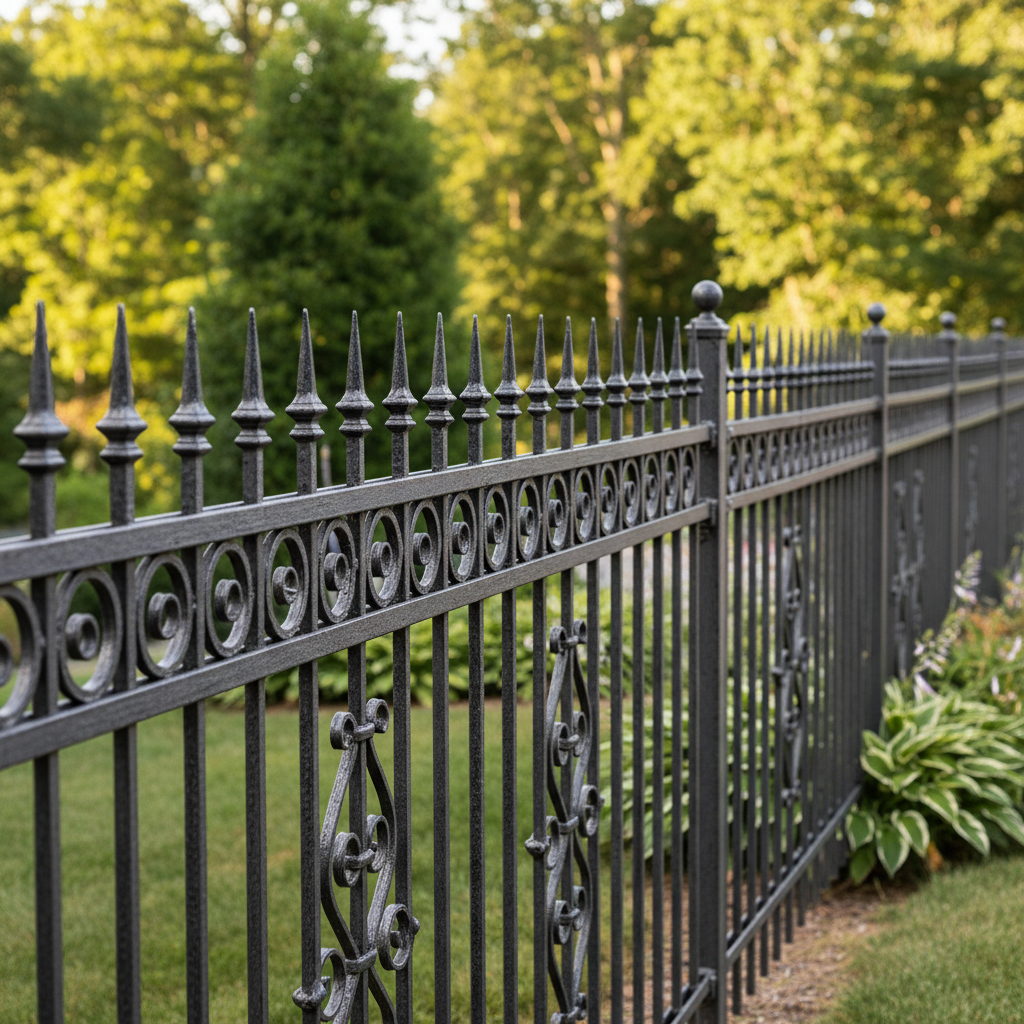
So, you're looking at ornamental iron fencing for your place. Good choice! It's got a classic look that really holds up, adds a ton of curb appeal, and can even boost your property value. But before you jump in, let's talk about what's involved. I've installed plenty of these around Maryville, from the older homes in Montvale to the newer builds near Pellissippi, and there are some things you just need to know.
Before You Start: Planning Your Iron Fence Project
First off, don't just order some panels online and hope for the best. Planning is crucial. You need to figure out what you want this fence to do. Is it purely decorative? Are you trying to keep pets in or deer out? Security? The purpose will dictate the height, style, and even the type of iron.
- Check Local Codes: This is non-negotiable. Maryville has zoning ordinances and HOA rules that can affect fence height, setback from property lines, and even material. You don't want to put up a beautiful fence only to be told it's too tall or in the wrong spot. Always get this squared away first.
- Measure Twice, Order Once: Seriously, measure your perimeter carefully. Account for gates, corners, and any slopes. Our rolling Blount County terrain means you're rarely dealing with perfectly flat ground, so think about how panels will step or rake.
- Budgeting: Ornamental iron isn't the cheapest option, but it's an investment that lasts. Factor in not just the fence panels and posts, but also gates, hardware, post caps, and any professional installation costs. Remember, quality materials and installation save you money in the long run.
- DIY vs. Pro: This is where you need to be honest with yourself. Can you dig post holes accurately? Can you handle heavy panels? Do you have the right tools? For a small, straightforward decorative section, maybe. For a whole perimeter fence with gates, especially on uneven ground, you're probably going to want a pro.
During the Project: What to Expect
Let's say you've decided to tackle some of this yourself, or you've hired a crew. Here's what the process generally looks like.
DIY Steps (for small, simple sections):
If you're doing a small, simple run, here's the basic rundown:
- Layout: Mark out your fence line precisely. Use string lines and spray paint.
- Digging Post Holes: This is the hardest part for most DIYers. Holes need to be deep enough (usually 24-30 inches, or below the frost line here in East Tennessee) and wide enough for concrete. A post-hole digger is a must, but even then, hitting rocks is common around here.
- Setting Posts: This is critical for a straight, strong fence. Posts go in first, plumbed perfectly, and set in concrete. Let that concrete cure properly before attaching panels.
- Attaching Panels: Once posts are solid, you attach the panels using brackets. This often requires drilling into the posts. Make sure everything is level and secure.
- Gates: If you have a gate, this is where things get tricky. Gates need precise alignment and sturdy hardware to operate smoothly.
When to Call Allied Fencing (or another pro):
Look, I'm not going to tell you that you can't do anything yourself. But for most ornamental iron fence projects, especially anything beyond a short, flat decorative section, calling a professional makes a lot of sense. We've got the specialized tools, the experience with different terrains (like those tricky slopes in some of our older Maryville neighborhoods), and the know-how to get it done right the first time. We can handle everything from permits to post-hole digging to custom gate fabrication. It saves you time, frustration, and often, costly mistakes.
After Installation: Keeping Your Iron Fence Looking Great
Once your beautiful new fence is up, you want to keep it that way. Ornamental iron is durable, but it's not maintenance-free.
- Regular Cleaning: Just like anything else outside, it'll get dirty. A simple hose-down with water and mild soap a couple of times a year usually does the trick.
- Rust Prevention/Treatment: Modern ornamental iron is usually powder-coated, which is a tough finish. But scratches happen. If you see any chips or rust spots, address them quickly. Sand down the rust, prime the spot, and touch it up with a rust-inhibiting paint that matches your fence color. Small nicks are easy to fix; letting rust spread isn't.
- Check Hardware: Periodically check gate hinges, latches, and panel brackets. Tighten any loose screws or bolts. Lubricate hinges if they start to squeak.
- Clear Debris: Keep vegetation, leaves, and other debris from piling up against the fence. This can trap moisture and accelerate wear.
An ornamental iron fence is a fantastic addition to any Maryville property. Do your homework, decide what you're comfortable tackling, and don't hesitate to call a local expert like Allied Fencing if you need a hand. It's an investment you'll enjoy for years to come.