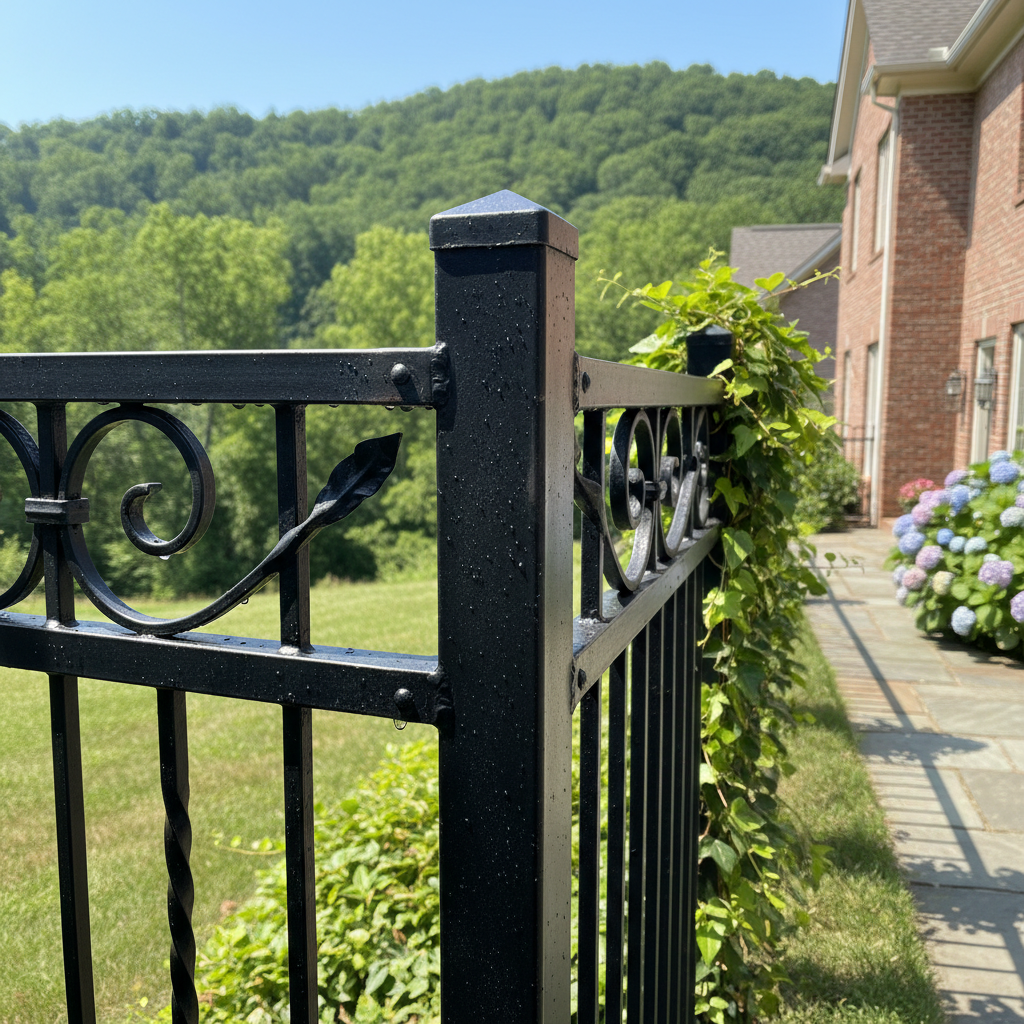
Thinking About an Ornamental Iron Fence?
So, you're eyeing an ornamental iron fence for your property here in Maryville. Good choice. There's just something about iron that screams classic elegance, security, and curb appeal, doesn't it? It's a look that really complements a lot of the older homes around downtown Maryville, but also adds a touch of class to newer builds out towards Louisville Road. Before you jump in, let's talk about what goes into one of these projects, and where you might save some money doing it yourself versus when it's just plain smarter to call in a pro like us at Allied Fencing.
Before You Even Start Digging
First things first, planning is everything. You can't just decide you want a fence and start hammering posts. Here's what you absolutely need to nail down:
- Know Your Property Lines: This isn't just a suggestion, it's a must. You don't want to spend all that time and money only to find out you've put your fence on your neighbor's land. Get a survey if you're not 100% sure. Trust me, it's cheaper than moving a whole fence.
- Check Local Codes: Maryville has zoning ordinances and building codes you need to follow. Things like fence height, setback requirements from property lines, and even material restrictions can apply. This is especially true if you're in an HOA. Don't skip this step; a quick call to the city's planning department can save you a huge headache later.
- Call 811: Before any digging, call 811 to have utility lines marked. This is crucial. Hitting a gas line or an electrical conduit isn't just expensive, it's dangerous. This service is free and mandatory.
- Pick Your Style & Material: Ornamental iron isn't just one thing. You've got wrought iron, which is traditional and heavy, or more commonly today, steel or aluminum that's been fabricated to look like wrought iron. Aluminum is lighter, won't rust, and often costs less, but might not feel as substantial. Steel is strong but needs good powder coating to prevent rust, especially with our humid summers and wet winters here in East Tennessee. Decide on the height, picket spacing, and any decorative elements you want.
Can you do this planning yourself? Absolutely. This is all research and phone calls. It's time-consuming, but it's definitely in your wheelhouse as a homeowner.
During the Installation: DIY or Pro?
Now, this is where the rubber meets the road. Installing an ornamental iron fence is not like putting up a simple picket fence. It's heavy, precise work.
What You CAN Realistically DIY:
- Post Hole Digging (Maybe): If you're only doing a short run, and you've got good soil (not too rocky, which can be a challenge in some parts of Maryville, especially up on the hills), you might be able to dig the post holes yourself. Rent a post-hole digger, or even a small auger. But be warned, these fences need deep, solid footings.
- Assembling Panels (Sometimes): If you're buying a pre-fabricated system where panels bolt together, you might be able to handle the assembly once the posts are set.
- Painting/Finishing (If Not Powder Coated): If you're going with raw steel, you can certainly handle the priming and painting yourself. But most modern iron fences come pre-finished with a durable powder coat, which you won't be doing yourself.
When to Call Allied Fencing (or another pro):
- Long Runs or Uneven Terrain: If you've got a long property line, or your yard isn't perfectly flat, installing an iron fence gets tricky fast. Posts need to be perfectly plumb and spaced correctly, and panels need to follow the grade without looking janky. Pros have the right equipment and experience to make it look seamless.
- Welding: True wrought iron or custom steel fences often require welding for gates or custom sections. Unless you're a skilled welder with the right gear, this is definitely a job for a professional.
- Heavy Lifting: Iron panels are heavy. You'll need at least two strong people, and sometimes specialized equipment, to safely move and install them without damaging the fence or yourselves.
- Gates and Automation: Installing a gate, especially a double gate or one with an automatic opener, is complex. It involves precise measurements, proper hardware, and often electrical work. This is almost always a pro job to ensure it's safe, secure, and works reliably.
- Time is Money: Even if you *could* do it, consider how much your time is worth. A professional crew can install an iron fence in a fraction of the time it would take an amateur, and they'll do it right the first time.
Honestly, for most ornamental iron fence projects, especially anything beyond a very small decorative section, I recommend bringing in a professional. The precision required, the weight of the materials, and the need for durable, long-lasting installation usually make it worth the investment. You want that fence to look good and stand strong for decades, not just a few years.
After the Installation: Keeping It Sharp
Once your beautiful new iron fence is up, you'll want to keep it looking great. The good news is, modern ornamental iron fences, especially those with good powder coating, are pretty low maintenance.
- Regular Cleaning: Just a simple wash with soap and water a couple of times a year will do wonders. Use a soft brush or cloth to remove dirt, pollen, and any grime. Rinse thoroughly.
- Inspect for Damage: Periodically walk your fence line. Look for any chips in the paint or powder coating, especially near the ground or where plants might rub against it. If you find any, touch them up quickly to prevent rust from setting in. This is crucial for steel fences.
- Check Gates and Hardware: Make sure gate hinges are lubricated and operating smoothly. Check latches and locks to ensure they're secure. Tighten any loose bolts or screws.
- Trim Vegetation: Keep plants, bushes, and trees from growing into or rubbing against your fence. Not only can they damage the finish, but they can also provide pathways for pests or compromise security.
This post-installation maintenance is definitely something you can (and should) handle yourself. It's about protecting your investment and keeping that classic look sharp for years to come. A little bit of attention goes a long way in extending the life of your ornamental iron fence.